
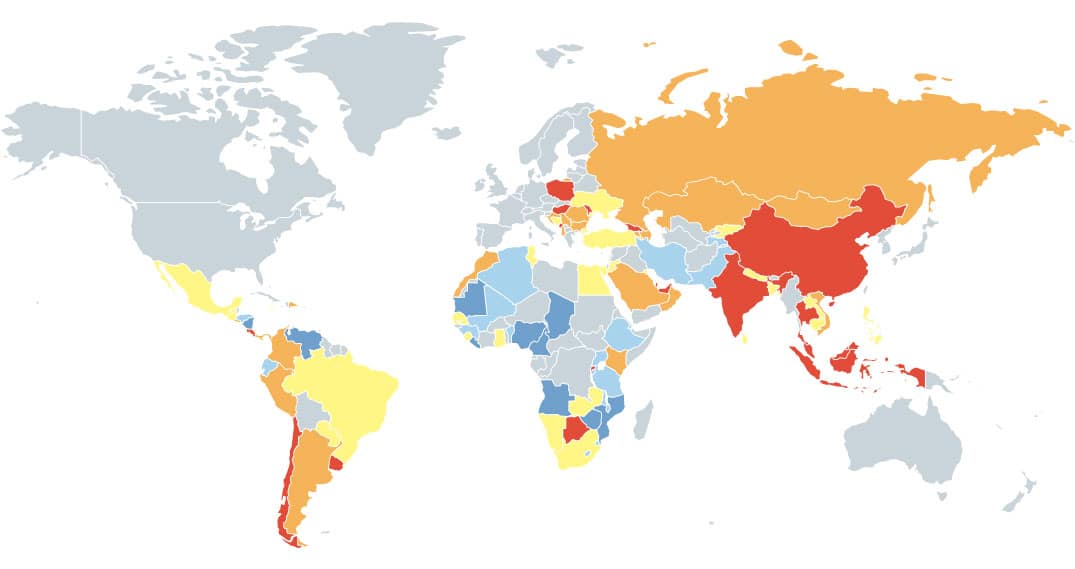
Explore how emerging economies compete globally, focusing on strategies for growth, innovation, and attracting foreign investment. Understand challenges and opportunities. (149 characters)

How can small economies, particularly emerging economies, thrive in the face of global giants? It’s a question that demands innovative answers. While lacking the sheer size and resources of larger nations like the US, China, or even Germany (DE), small emerging economies possess unique advantages and are adopting clever strategies to carve out their own niche in the international marketplace.
Key Takeaways:
- Small emerging economies leverage niche specialization and innovation to compete effectively.
- Strategic investment in education, infrastructure, and technology is crucial for sustainable growth.
- Attracting foreign investment and fostering a business-friendly environment are key to global integration.
- Regional cooperation and strategic trade partnerships provide access to larger markets and shared resources.
How Small Economies Compete Globally Through Specialization
One of the most effective ways for small emerging economies to compete is through specialization. Instead of trying to be all things to all people, they focus on developing expertise in specific industries or sectors. This allows them to build a competitive advantage by becoming known for quality, innovation, or cost-effectiveness in a particular area. Think of countries like Costa Rica, which has successfully positioned itself as a hub for ecotourism and technology services, or Iceland, which has capitalized on its geothermal energy resources. These nations have identified their strengths and invested heavily in developing them, attracting foreign investment and creating jobs in the process. This often involves focusing on high-value, specialized products or services that command premium prices and generate higher profit margins. For example, instead of manufacturing generic consumer goods, an emerging economies might specialize in producing high-precision components for the aerospace industry or developing cutting-edge software for a specific niche market.
How Small Economies Compete Globally By Investing in Human Capital and Infrastructure
To compete effectively on the global stage, small emerging economies must prioritize investment in education, infrastructure, and technology. A well-educated and skilled workforce is essential for attracting foreign investment and driving innovation. This means providing access to quality education at all levels, from primary school to vocational training and higher education. Additionally, investing in infrastructure, such as transportation networks, communication systems, and energy infrastructure, is crucial for facilitating trade and attracting businesses. Access to reliable and affordable internet connectivity is also increasingly important in today’s digital economy; many countries such as the UK and countries in the European Union (EU) rely heavily on solid internet service from providers such as Virgin Media gb and others to get their work done. Furthermore, emerging economies need to embrace technology and invest in research and development to stay ahead of the curve. This can involve supporting startups and fostering a culture of innovation.
How Small Economies Compete Globally By Attracting Foreign Investment and Fostering a Business-Friendly Environment
Attracting foreign direct investment (FDI) is critical for small emerging economies to gain access to capital, technology, and expertise. To attract FDI, these countries need to create a business-friendly environment by streamlining regulations, reducing bureaucracy, and protecting intellectual property rights. They also need to offer incentives, such as tax breaks and subsidies, to encourage foreign companies to invest. Furthermore, it is important to promote political stability and good governance to create a predictable and transparent investment climate. Successfully attracting FDI can lead to significant economic growth and job creation.
How Small Economies Compete Globally Through Regional Cooperation and Trade Agreements
Small emerging economies can also benefit from regional cooperation and strategic trade agreements. By forming alliances with neighboring countries, they can gain access to larger markets and pool resources. Regional trade agreements can reduce tariffs and other trade barriers, making it easier for businesses to export their goods and services. Additionally, regional cooperation can help to address common challenges, such as climate change, poverty, and security threats. By working together, small emerging economies can increase their collective bargaining power and strengthen their position in the global economy. Regional cooperation efforts like those seen in Southeast Asia (e.g., ASEAN) or the Caribbean (e.g., CARICOM) demonstrate the power of collective action.


