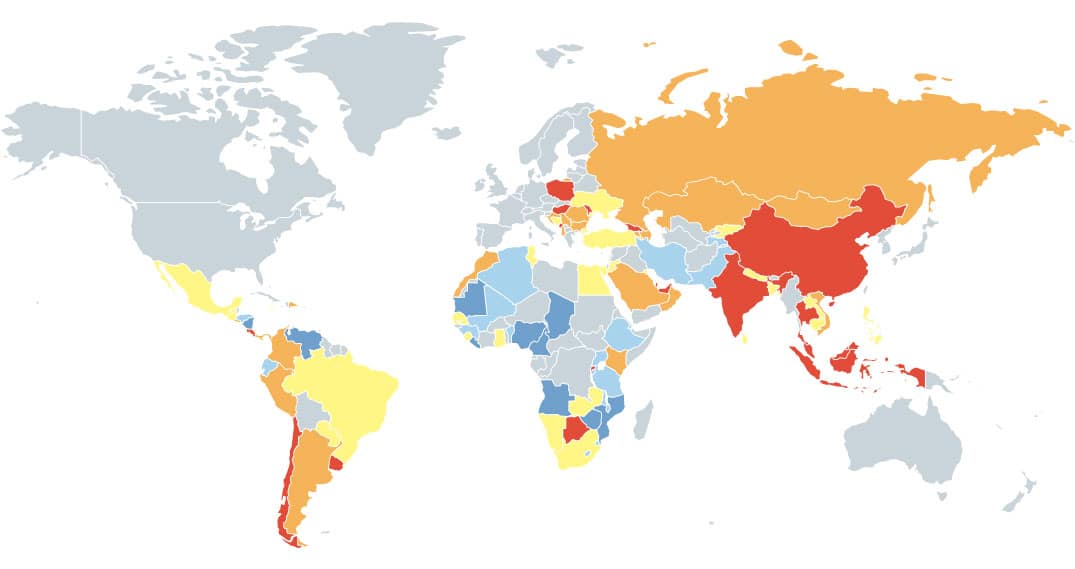
The employment rate is a powerful barometer of a nation’s economic well-being. It’s more than just a number; it’s a reflection of the opportunities available to people, the strength of businesses, and the overall financial stability of a country. A healthy employment rate signals a thriving economy, while a low one can point to underlying problems and potential recessionary pressures. Understanding this key metric is crucial for investors, policymakers, and anyone interested in the economic landscape.

Key Takeaways:
- The employment rate is a significant indicator of economic health, reflecting job availability and business strength.
- A high employment rate generally correlates with increased consumer spending and GDP growth, while a low rate can signal economic challenges.
- Government policies, technological advancements, and global events all influence the employment rate.
- Analyzing the employment rate in conjunction with other economic indicators provides a more nuanced understanding of economic conditions.
How Does the Employment Rate Reflect Economic Strength?
The employment rate is a fundamental measure of how many people within a specific population are currently employed. It’s typically calculated as the percentage of the working-age population that is employed. A high employment rate suggests a robust economy where businesses are growing, hiring, and investing. This, in turn, fuels consumer spending, which accounts for a significant portion of Gross Domestic Product (GDP). When people have jobs, they have income, and they are more likely to spend that income on goods and services, driving economic activity.
Conversely, a low employment rate can indicate economic weakness. It might suggest that businesses are struggling, laying off workers, and hesitant to invest. This leads to decreased consumer spending, lower GDP growth, and potentially a recession. Think of it as a cycle: job losses lead to less spending, which further hurts businesses, leading to more job losses.
Furthermore, the employment rate can shed light on the distribution of economic opportunity. Are certain demographics experiencing disproportionately higher or lower employment rates? Understanding these disparities can inform policy decisions aimed at promoting more equitable economic growth. For example, targeted training programs or tax incentives for businesses that hire from underrepresented groups can help to improve the employment rate across the board.
The Impact of a High Employment Rate
A high employment rate has a ripple effect throughout the economy. Beyond increased consumer spending, it often leads to higher tax revenues for the government, allowing for greater investment in public services such as education, infrastructure, and healthcare. It also tends to boost overall confidence in the economy, encouraging further investment and entrepreneurship. When people feel secure in their jobs, they are more likely to take risks, start businesses, and invest in their future.
Furthermore, a tight labor market associated with a high employment rate can drive up wages, benefiting workers and increasing their purchasing power. This can lead to a higher standard of living and reduce income inequality. However, it’s important to note that a rapid increase in wages can also lead to inflation, which is why policymakers closely monitor wage growth in relation to productivity growth.
The influence of the employment rate spreads far and wide, impacting various sectors and fostering an environment of economic expansion and individual prosperity. The UK, for instance, closely monitors its gb labor statistics to gauge the overall health of its economy.
Factors Influencing the Employment Rate
Numerous factors can influence the employment rate, some within a country’s control and others dictated by global events. Government policies, such as tax incentives for businesses, unemployment benefits, and job training programs, can all play a significant role in shaping the labor market. Technological advancements can also have a profound impact, creating new jobs in emerging industries while potentially displacing workers in older sectors.
Global economic conditions, such as international trade agreements, currency exchange rates, and geopolitical events, can also affect the employment rate. For example, a trade war can lead to tariffs and reduced exports, potentially resulting in job losses in export-oriented industries. Similarly, a global pandemic can disrupt supply chains and lead to widespread business closures, significantly impacting the employment rate.
Demographic trends, such as an aging population or changes in immigration patterns, can also influence the labor force and the employment rate. A shrinking workforce can lead to labor shortages and higher wages, while an influx of immigrants can increase the labor supply and potentially put downward pressure on wages.
Interpreting the Employment Rate Alongside Other Indicators
While the employment rate provides valuable insights into economic health, it’s essential to interpret it in conjunction with other economic indicators to gain a more nuanced understanding. For example, a high employment rate coupled with low wage growth might suggest that many people are employed in low-paying jobs, indicating underlying economic challenges.
Similarly, a declining employment rate alongside rising inflation might suggest a phenomenon known as stagflation, where the economy is experiencing both slow growth and rising prices. Analyzing the employment rate in conjunction with indicators such as GDP growth, inflation, consumer confidence, and housing prices provides a more accurate and complete picture of the economic landscape. For the UK economy, gb national statistics, when analyzed together with gb regional employment figures provide insight on the diversity of labour markets.