
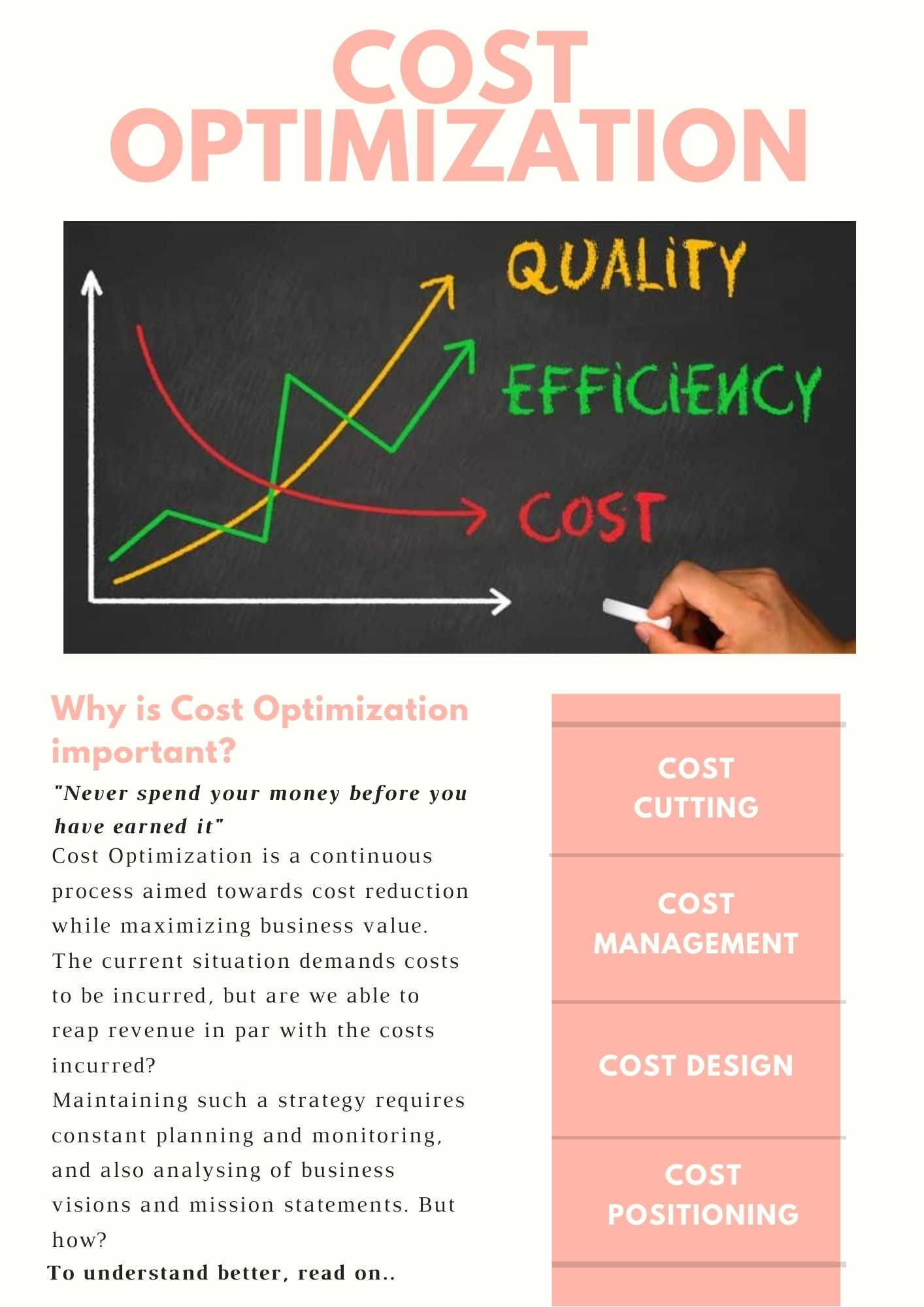
Is it possible to cut costs without jeopardizing quality? Absolutely! Many businesses believe that reducing expenses inevitably leads to a decline in the quality of their products or services. However, with strategic planning and the right approach, you can achieve significant cost optimization while maintaining or even improving quality. This article explores practical methods for achieving this balance, providing actionable insights that you can implement in your own organization.

Key Takeaways:
- Prioritize process improvement and waste reduction to streamline operations and lower costs.
- Leverage technology and automation to improve efficiency and reduce manual labor.
- Negotiate strategically with suppliers and explore alternative sourcing options to secure better deals.
- Focus on preventative maintenance and quality control to minimize defects and rework.
Understanding the Importance of Cost Optimization
Before diving into specific strategies, it’s crucial to understand why cost optimization is so important. In today’s competitive market, businesses are constantly seeking ways to improve their bottom line. Effective cost optimization isn’t just about cutting expenses; it’s about making smart, strategic decisions that maximize value. By identifying areas where resources are being wasted or underutilized, you can free up capital to invest in growth, innovation, and improved customer experience. For instance, analyzing your cloud storage needs might reveal that you’re paying for several gb of unused space. Addressing this can result in immediate savings. This proactive approach allows companies to become more resilient, adaptable, and ultimately, more profitable.
Streamlining Operations for Cost Optimization
One of the most effective ways to reduce costs without compromising quality is to streamline your operations. This involves analyzing your existing processes, identifying bottlenecks and inefficiencies, and implementing improvements to eliminate waste. Start by mapping out your key processes and looking for opportunities to automate tasks, reduce redundancies, and simplify workflows. Consider implementing lean manufacturing principles or Six Sigma methodologies to drive continuous improvement. For example, adopting a just-in-time inventory management system can minimize storage costs and reduce the risk of obsolescence. Similarly, investing in employee training and development can improve productivity and reduce errors. By optimizing your operations, you can achieve significant cost optimization while simultaneously improving quality and efficiency.
Leveraging Technology for Cost Optimization
Technology plays a crucial role in achieving cost optimization. Automation, in particular, can significantly reduce manual labor costs and improve accuracy. Consider implementing robotic process automation (RPA) for repetitive tasks such as data entry, invoice processing, and customer service inquiries. Cloud computing offers another avenue for cost optimization, allowing you to scale your IT infrastructure up or down as needed and avoid the expenses associated with maintaining on-premises servers. Furthermore, data analytics can provide valuable insights into your business operations, helping you identify areas where you can reduce costs and improve efficiency. For example, analyzing customer data can help you optimize your marketing campaigns and target your resources more effectively. If your team is paying for a 500 gb data plan, see if it’s possible to scale it down to a smaller size.
Strategic Sourcing and Supplier Management for Cost Optimization
Your supply chain is a major source of costs, so it’s essential to manage it strategically. Negotiate aggressively with your existing suppliers to secure better pricing, payment terms, and service levels. Explore alternative sourcing options to identify new suppliers who may offer lower prices or better quality. Consider consolidating your purchasing volume to leverage your buying power and negotiate bulk discounts. Build strong relationships with your key suppliers to foster collaboration and identify opportunities for mutual cost optimization. For instance, consider working with suppliers to implement vendor-managed inventory (VMI) programs, which can reduce inventory holding costs and improve supply chain efficiency. By actively managing your supply chain, you can achieve significant cost optimization while ensuring the quality and reliability of your inputs.


